Thyroid Monitor & Vitamin Home Test (Finger Prick)
A simple at-home test to understand two of the biggest root causes behind fatigue, mood changes & fertility struggles.
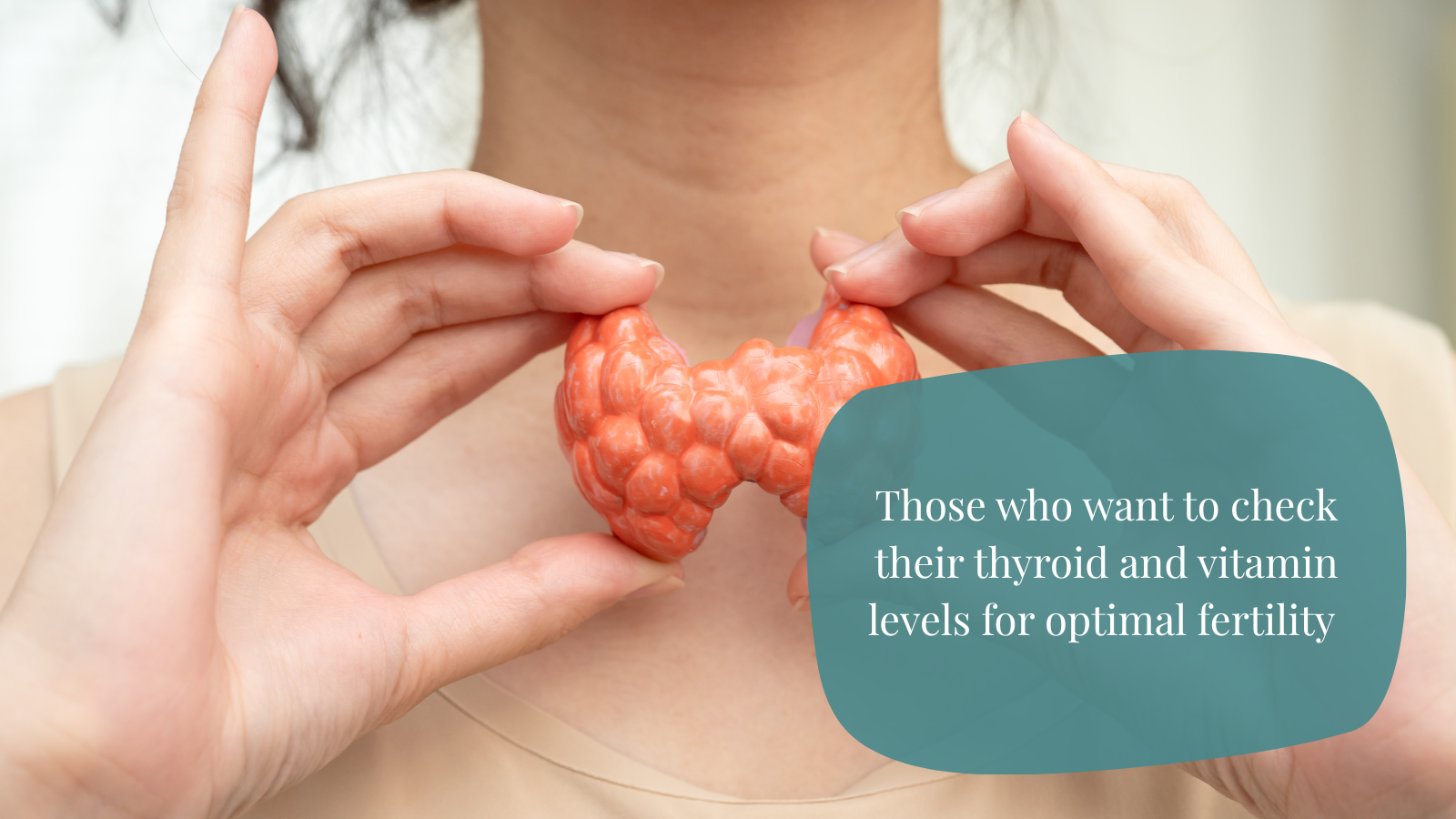
Your thyroid controls your metabolism, energy, mood, menstrual cycle and fertility - and even small imbalances can make conception more difficult.
Vitamin D plays a key role in hormone production, immune health and ovarian function, and most women in the UK are deficient... especially in winter.
This easy finger-prick test gives you clear insights into two essentials:
What this test looks at
• TSH (Thyroid Stimulating Hormone) - the signal from the brain
• Free T4 - the hormone your thyroid produces
• Free T3 - the active hormone your cells actually use
• Vitamin D (25-0H) - key for hormones, immunity & egg quality
These markers give us a deeper look at how well your thyroid is functioning - not just whether it's
'normal,' but whether it's optimal for fertility.
Why this test matters for fertility
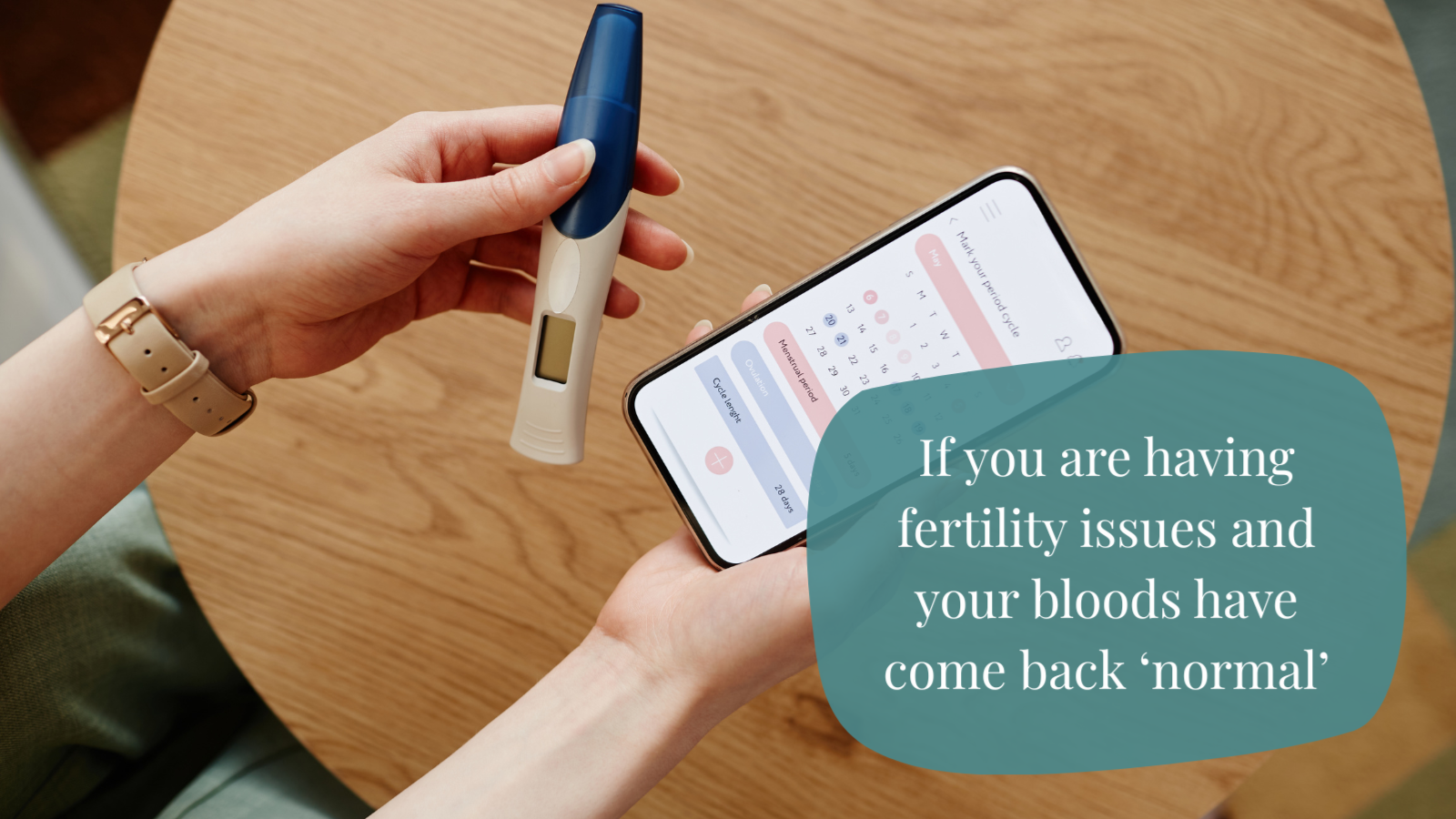
Many women with unexplained symptoms or unexplained infertility discover hidden thyroid issues once we look deeper. Low thyroid function can cause:
• Irregular cycles
• Low progesterone
• Short luteal phases
• Fatigue, low mood & anxiety
• Trouble ovulating
• Recurrent loss
Vitamin D influences egg quality, implantation, and immune balance - and deficiency can quietly hold you back without you realising it.
What's included
• A simple at-home finger-prick test
• Clear, easy-to-read results
• My interpretation & personalised recommendations
• Next steps to support your thyroid, metabolism & fertility (nutrition, lifestyle & supplementation guidance)
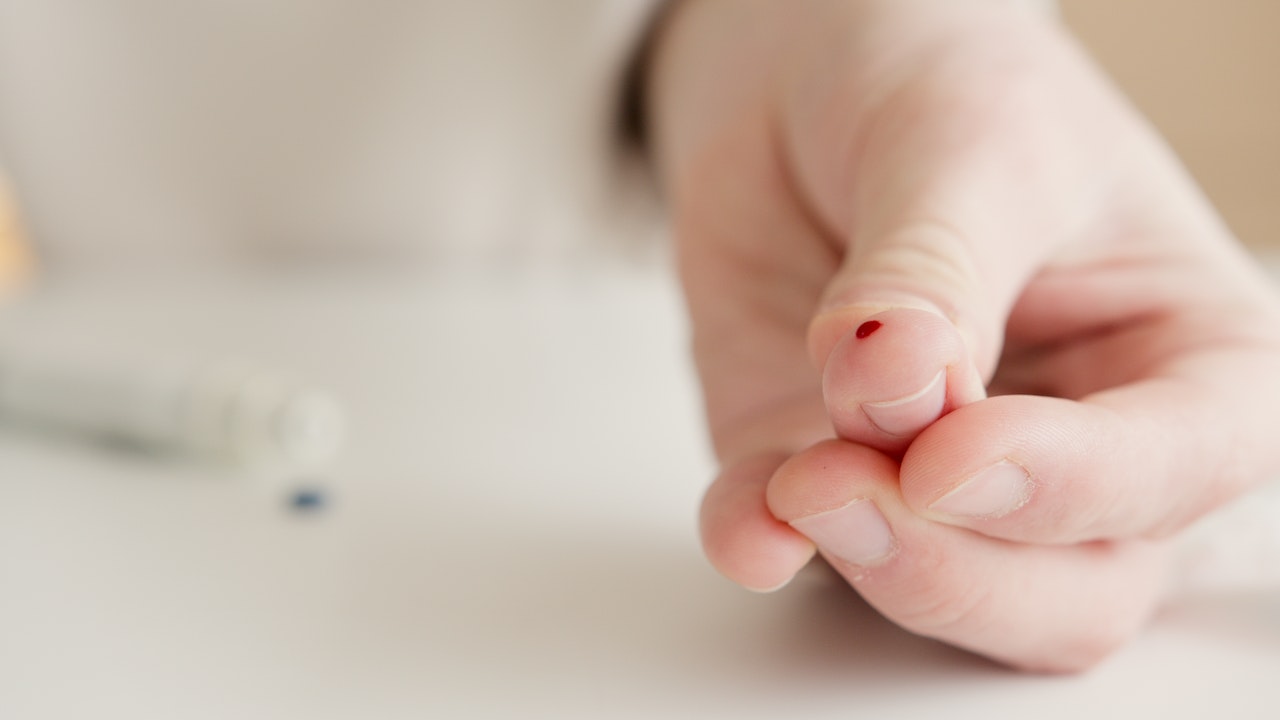
This is an at home test done by prick your finger with a lancet and you will collect the blood in the tube provided. Full instructions are given with the kit and if you need any help just reach out!
You will feel a sharp 'prick' for a second and it's not painful. However if you have an issue with blood draws then a phlebotomy service can be arranged at an additional cost. Please contact me if you would prefer this option!
Use additional lancets on another finger until the blood sample reaches the area between the yellow lines.
Typically within 10–14 days once the lab has your sample.
Who is this test great for?