Modern Hygiene, the Microbiome and Fertility: Are We Reducing the Wrong Things?
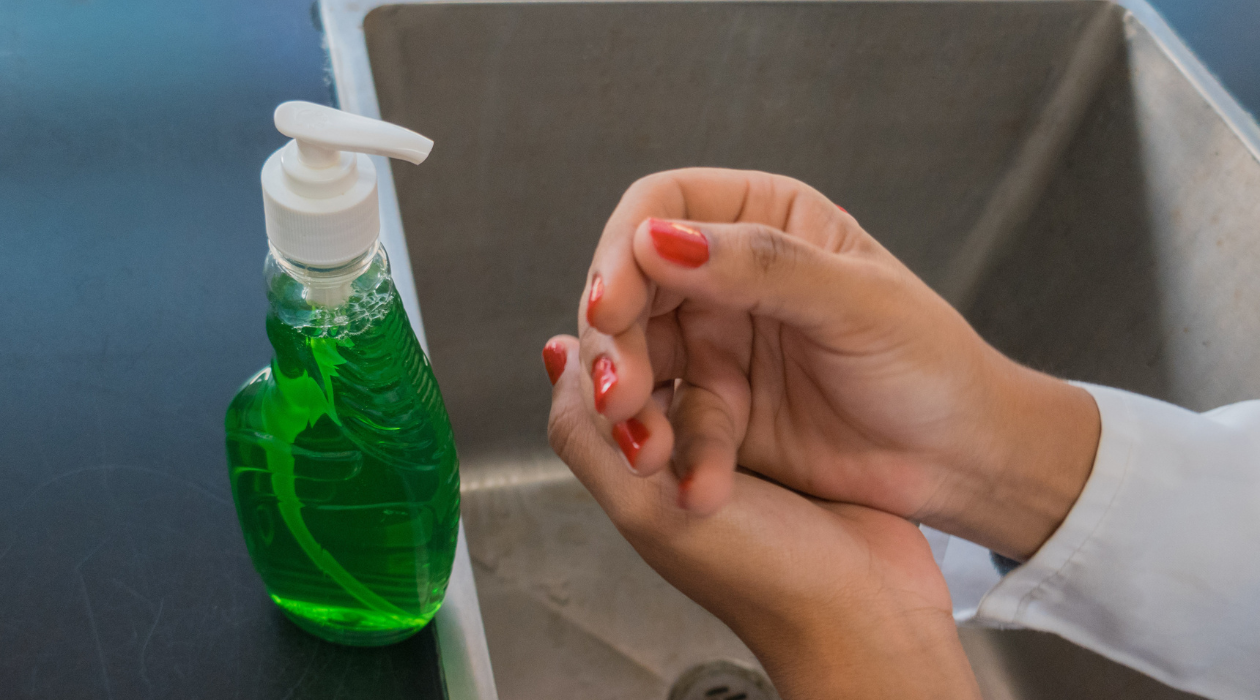
We are living in the most antibacterial generation in history. From hand washes to toothpaste, deodorants, to treated fabrics. We are constantly exposed to products designed to “kill 99.9% of bacteria" - especially after COVID. But your body is not sterile, and your fertility depends on microbial diversity.
So what happens when we start killing bacteria without fully understanding the consequences? This isn’t about fear. It’s about perspective. Your body is a whole ecosystem and you are in fact, more microbes than human cells!
What Are Biocides?
Biocides are antimicrobial chemicals added to consumer products to kill or inhibit microbes.
They show up in:
- Antibacterial hand washes
- Certain toothpastes
- Antiseptic mouthwashes
- Deodorants
- Surface disinfectants
- Even some treated textiles
Importantly, I'm not talking about prescription antibiotics here. I'm talking about consumer products - and they are regulated very differently. In fact many do not need to prove long-term safety in the way medicines do. And in some cases, research has shown that antibacterial soap is no more effective than regular soap and water in everyday settings (see this interesting study here).
That raises an important question: if there's no added benefit - what are we doing to our microbiome in the process?
Your microbiome is not just about digestion. It plays a central role in hormone balance, immune function, inflammation, and blood flow - all of which are essential for conception and implantation.
Let’s break that down.
Gut Microbiome & Hormone Clearance
Your gut bacteria help:
- Clear excess estrogen
- Regulate inflammation
- Support nutrient absorption (zinc, magnesium, B vitamins)
- Maintain the integrity of your gut lining
- Communicate with your immune system
If microbial diversity is reduced, estrogen metabolism can become dysregulated. Inflammation can increase. Nutrient absorption can suffer.
And fertility is incredibly sensitive to all of that.
Oral Microbiome & Nitric Oxide
Emerging research has shown that certain antimicrobial mouthwashes can alter the oral microbiome in ways that reduce nitric oxide availability in the body.
Nitric oxide is crucial for:
- Healthy blood flow
- Ovarian perfusion
- Endometrial receptivity
- Cardiovascular health
This isn’t about never using mouthwash. It’s about understanding that blasting microbial ecosystems may have unintended downstream effects. Your microbes are not your enemy. They are part of your physiology!
The 'Cocktail Effect'
We are not exposed to one antimicrobial agent in isolation.
We are exposed to:
- Biocides
- Pesticides
- Microplastics
- PFAS (“forever chemicals”)
- Food additives
- Pharmaceuticals in water systems
Each may be deemed 'safe' individually but research is increasingly looking at cumulative load and what happens when these exposures are layered together.
Fertility is particularly sensitive to:
- Endocrine disruption
- Oxidative stress
- Immune dysregulation
- Inflammatory burden
It’s rarely one thing and is often the total load.
What This Does Not Mean
Let’s be clear. This does not mean:
- Stop brushing your teeth
- Stop washing your hands
- Panic about every product in your home
- Obsess over perfection
Good hygiene is essential. Public health measures have saved countless lives. This conversation is not about letting your hygiene go to pot! It’s about avoiding unnecessary over-sanitisation. It’s about reducing load where possible - not striving for 100% purity, because there is no such thing!
Practical, Fertility-Friendly Adjustments
Here’s what I recommend to those trying to conceive:
- Choose plain soap over antibacterial hand wash for everyday use
- Avoid routine antiseptic mouthwash unless medically indicated
- Be mindful of treated 'antibacterial' fabrics or hygiene products
- Choose organic where realistically possible (I know everything is so expensive these days!) but at least pick the one or two things you eat daily that's on the dirty dozen list.
- Focus on increasing microbial diversity through whole foods, plants, fibre, and fermented foods. Studies show that eating 30 different plants per week is great for microbial diversity.
- Support detox pathways with adequate protein, minerals, hydration, and regular bowel movements
These are small shifts with big impact!
Diversity is Vital for Fertility
We evolved in cooperation with microbes.
In fact, our microbiome predates modern humans by hundreds of thousands of years! We are not separate from them - we are in partnership with them.
Fertility is not just about ovulation timing or supplement stacks.
It is about:
- Immune tolerance
- Inflammatory balance
- Vascular health
- Hormonal clearance
- Microbial diversity
When we reduce microbial resilience without understanding the cost, we may unintentionally undermine the very systems that support conception.
The Bigger Picture
Modern life is stressful. I'm always preaching about that. It places a cumulative load on our bodies in ways our physiology was never designed for. That doesn’t mean we need to live in fear. It means we need to become thoughtful by:
- Reducing unnecessary antimicrobial exposure.
- Supporting microbial resilience.
- Building a robust gut ecosystem.
Sometimes it’s about reducing what is interfering the good guy in our gut from flourishing.
___________________________________________________________________________________
If you’re experiencing unexplained fertility challenges, looking at gut health, microbial balance, and overall inflammatory load can often reveal pieces that standard test miss.
Usually your hormones are not the root cause - they are the symptoms of something else that going on upstream, which may be the environment they’re operating in.
When I work with clients with unexplained infertility, I like to use the GI360 Complete test to see what's taken up residence in your gut - the good, the bad and the ugly - and we can then come up with a holistic plan to rebalance things using real data from your body.